Tundra Lifestyle: Complete Guide to Life, Culture, Climate & Survival
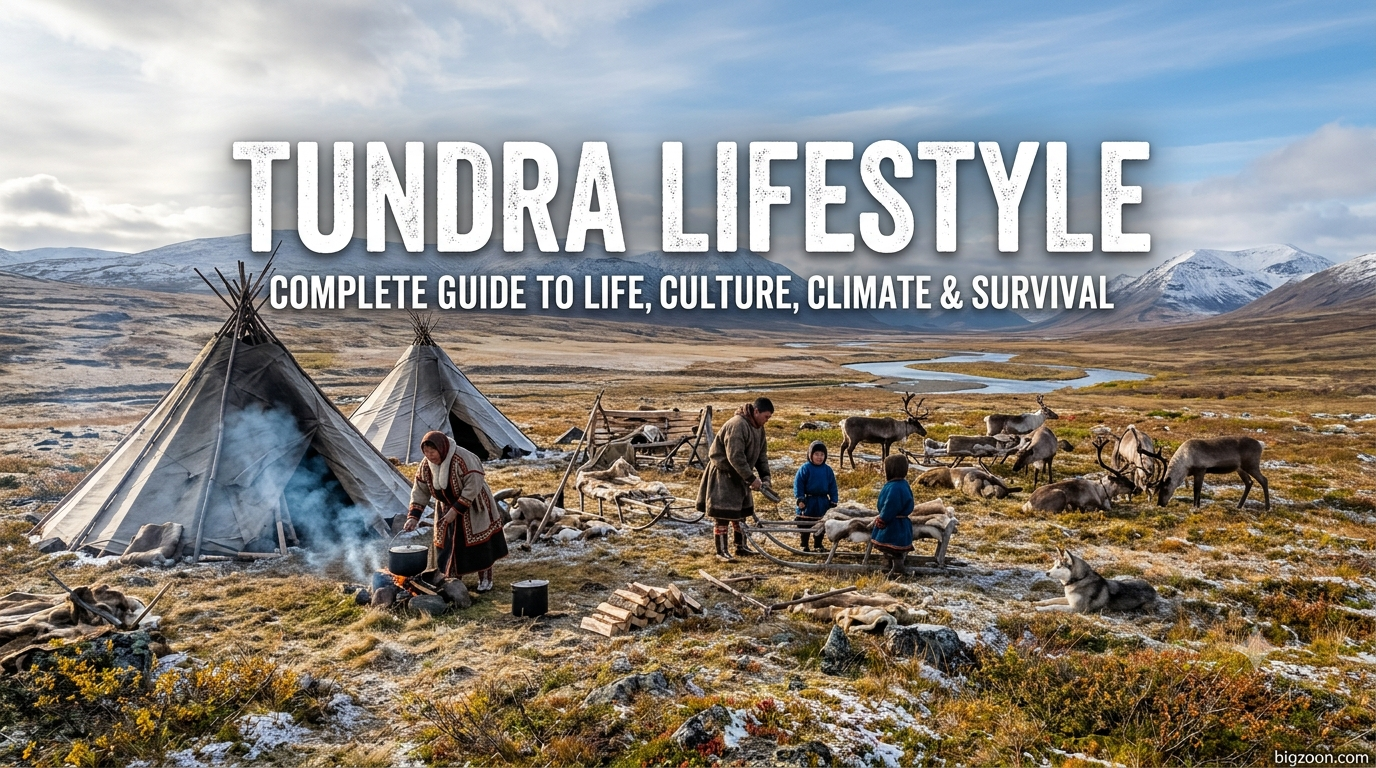
The tundra lifestyle is one of the world’s most unique ways of living. People who live in the tundra survive in one of the coldest places on Earth. They face freezing temperatures, long winters, strong winds, and limited plant life. Yet, they have learned to live comfortably by using their knowledge, skills, and traditions.
Many people think life in the tundra is impossible. In reality, millions of people have lived in Arctic regions for thousands of years. They hunt, fish, build warm homes, and protect nature while adapting to harsh weather. Their way of life teaches valuable lessons about strength, teamwork, and respect for the environment.
In this guide, you will learn everything about the tundra lifestyle, including climate, homes, clothing, food, traditions, wildlife, daily life, modern technology, and challenges. Whether you are a student, traveler, or simply curious about Arctic living, this guide offers an easy-to-understand overview.
What Is a Tundra Lifestyle?
The tundra lifestyle refers to the daily life of people living in tundra regions. These areas have very cold temperatures, frozen ground called permafrost, and very short summers.
People living here must carefully use natural resources. Fishing, hunting, and gathering remain important activities. Families also depend on strong community support because survival is easier when people work together.
Today, many Arctic communities combine traditional skills with modern technology. Snowmobiles may replace dog sleds for transportation, while modern homes provide better heating. Even with these changes, many traditions remain alive and continue to shape the tundra lifestyle.
Where Is the Tundra Found?
Tundra regions are located in the far north of the world. Large tundra landscapes exist in Alaska, northern Canada, Greenland, Scandinavia, and northern Russia.
These places experience long winters and short summers. The sun may stay above the horizon for weeks during summer and disappear for long periods in winter. This unusual daylight cycle affects work, sleep, and daily routines.
Despite the extreme climate, many people have built successful communities that continue to thrive while preserving their culture and traditions.
Climate and Weather in the Tundra
The weather is the biggest factor shaping the tundra lifestyle.
Winter temperatures often fall far below freezing. Heavy snow, icy winds, and frozen lakes become normal parts of daily life. Summers are short and cool, allowing only a brief growing season for plants.
Because of the cold, people prepare carefully for every season. Food is stored for winter, homes are insulated, and warm clothing is essential. Weather awareness is also important because storms can arrive quickly.
Living in this environment teaches patience, planning, and resilience.
Traditional Homes in the Tundra
Homes in the tundra are designed to keep people warm while protecting them from strong winds.
Historically, some Arctic communities built snow houses, often called igloos, for temporary shelter during hunting trips. Others used animal skins stretched over wooden or bone frames.
Today, most families live in insulated houses with electricity, heating systems, and modern plumbing. These homes are built on raised foundations because the frozen ground can shift when temperatures change.
Good home design remains an important part of the tundra lifestyle, helping families stay safe throughout the year.
Clothing for Arctic Living
Warm clothing is one of the most important survival tools in the tundra.
Traditional clothing was made from animal hides and fur. Materials such as caribou skin, seal skin, and reindeer fur provided excellent insulation against freezing temperatures.
Modern clothing combines synthetic fabrics with natural materials. Waterproof jackets, insulated boots, thermal gloves, and layered clothing help people stay warm during outdoor activities.
Choosing the right clothing allows people to work, travel, and enjoy outdoor life even in harsh weather.
Food in the Tundra Lifestyle
The tundra lifestyle depends on foods that are available locally.
Fish, seals, whales, caribou, reindeer, birds, and Arctic char have long been important food sources. During the short summer, people also collect berries and edible plants.
Modern transportation has introduced grocery stores to many Arctic towns. However, traditional foods remain popular because they are nutritious and closely connected to local culture.
Sharing meals with family and neighbors continues to strengthen community bonds.
Wildlife Around the Tundra
Wildlife plays an important role in everyday life.
Animals found in tundra regions include polar bears, Arctic foxes, wolves, musk oxen, snowy owls, caribou, seals, and many migratory birds.
People respect wildlife because it provides food, clothing materials, and cultural meaning. Responsible hunting practices help maintain healthy animal populations for future generations.
Many visitors travel to the Arctic each year to experience this incredible wildlife.
Culture and Traditions
Culture is at the heart of the tundra lifestyle.
Families pass down stories, music, art, language, and survival skills from one generation to the next. Traditional festivals celebrate hunting seasons, changing weather, and community gatherings.
Respect for elders remains important because they share valuable knowledge about living safely in Arctic conditions.
Although technology has changed many parts of daily life, cultural traditions continue to remain strong.
Modern Life in the Tundra
Life today combines tradition with innovation.
Children attend schools, families use the internet, and healthcare has improved in many northern communities. Snowmobiles, boats, airplanes, and satellite communication help people stay connected.
Even with these modern improvements, many residents continue fishing, hunting, and practicing traditional crafts.
This balance between old and new makes the tundra lifestyle both practical and culturally rich.
Challenges Facing the Tundra
Climate change has become one of the biggest challenges.
Warmer temperatures are melting permafrost, changing wildlife migration, and affecting local communities. Roads, buildings, and ecosystems are all impacted by these environmental changes.
Communities are adapting by improving infrastructure, protecting wildlife, and sharing traditional environmental knowledge with researchers.
Their experience offers valuable lessons about resilience and sustainability.
Benefits of the Tundra Lifestyle
Living in the tundra offers many unique advantages.
People often enjoy strong family relationships, close-knit communities, fresh natural foods, beautiful landscapes, and a deep connection with nature.
Daily life encourages self-reliance, careful planning, and appreciation for simple living. Many visitors admire the peaceful beauty and strong community spirit found throughout Arctic regions.
Conclusion
The tundra lifestyle is much more than surviving cold weather. It is a way of life built on knowledge, cooperation, respect for nature, and resilience. People living in the Arctic have adapted to one of Earth’s toughest environments while preserving traditions that have lasted for generations.
As the world changes, the tundra continues to teach important lessons about sustainability, community, and caring for the environment. Whether you are interested in geography, culture, or outdoor adventure, learning about the tundra lifestyle offers valuable insights into one of the planet’s most remarkable regions.
Frequently Asked Questions
1. What is the tundra lifestyle?
The tundra lifestyle is the way people live in extremely cold Arctic regions by adapting to harsh weather through traditional skills, warm clothing, hunting, fishing, and community support.
2. Where is the tundra located?
Tundra regions are mainly found in Alaska, northern Canada, Greenland, Scandinavia, and northern Russia.
3. What do people eat in the tundra?
People commonly eat fish, caribou, reindeer, seals, Arctic char, berries, and other locally available foods.
4. Why is the tundra so cold?
The tundra is located close to the North Pole, where sunlight is weaker and winters are long.
5. What animals live in the tundra?
Common animals include polar bears, Arctic foxes, wolves, musk oxen, snowy owls, seals, and caribou.
6. How has modern technology changed the tundra lifestyle?
Modern technology has improved transportation, communication, healthcare, and housing while allowing communities to preserve many traditional customs and cultural practices.



Post Comment