Incredible Animals from the Amazon Rain Forest: A Complete Jungle Guide
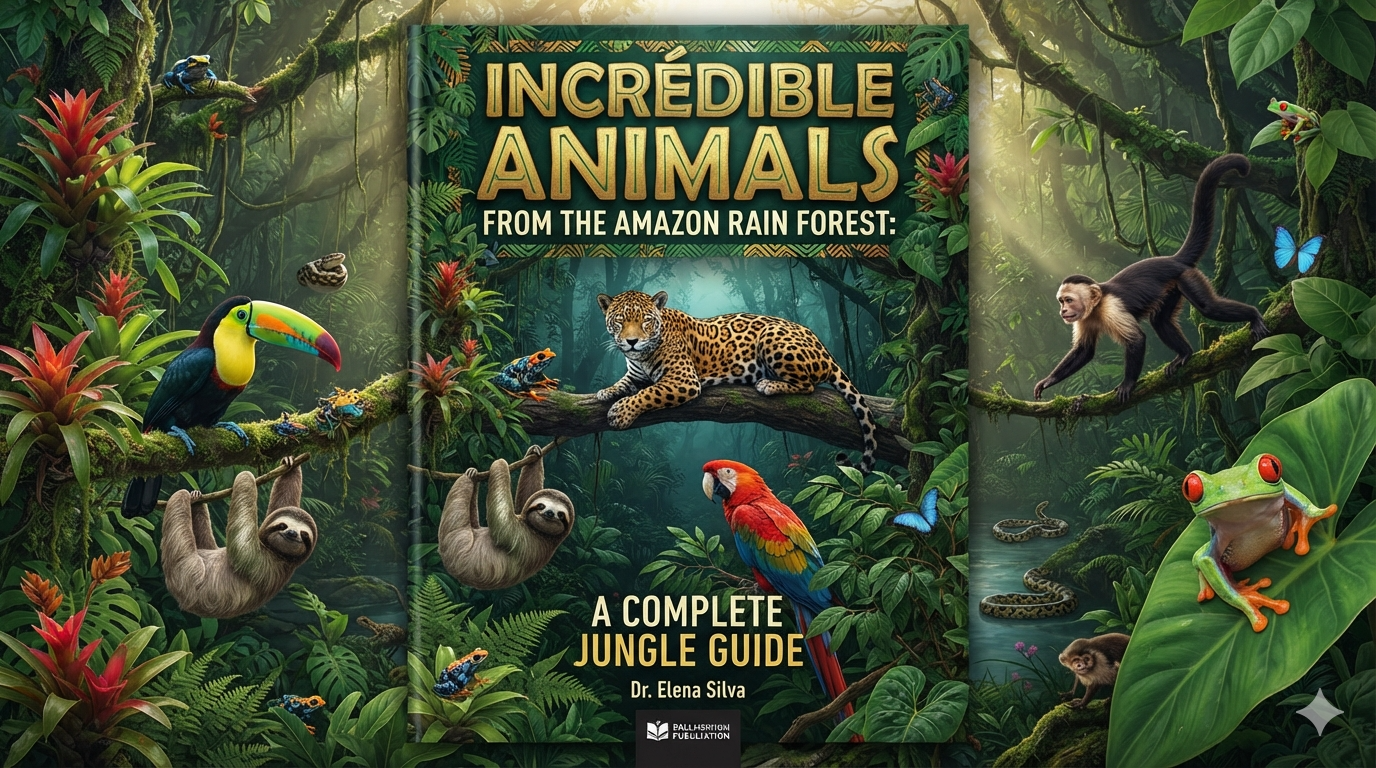
Imagine walking through a giant, green world where the trees are as tall as skyscrapers. The air feels warm and wet on your skin. All around you, loud birds chirp, hidden frogs peep, and monkeys swing from vine to vine. This magical place is the largest jungle on Earth. It is home to some of the most unique creatures you will ever find.
Learning about the animals from the amazon rain forest is like opening a real-life treasure chest. Millions of species live together in this wild habitat. Some swim in the deep rivers, while others hide in the high treetops. Each creature has a special job that keeps the jungle healthy and balanced. Let us take a thrilling journey into the jungle to meet these incredible creatures up close!
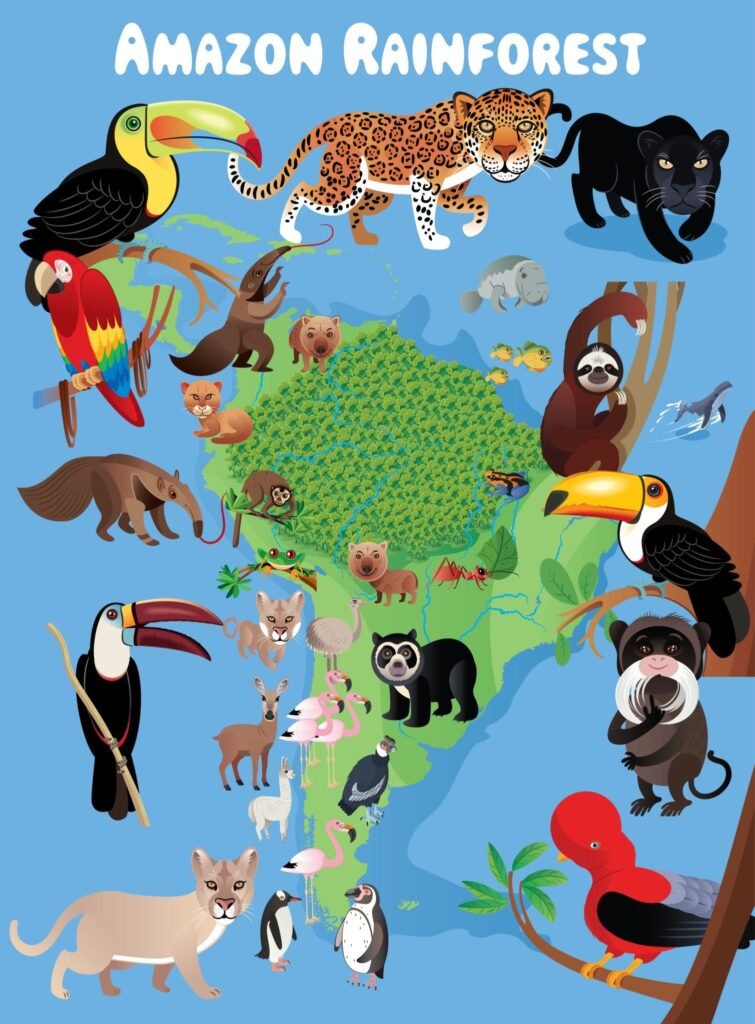
A map of Amazon wildlife. Source: drmakkoy / Getty Images
The Mighty Jaguar: King of the Jungle floor
The absolute king of the jungle floor is the beautiful and powerful jaguar. This big cat has golden fur covered in black spots shaped like roses. These spots are called rosettes, and they help the cat hide in the shadows of the forest. Unlike most small pet cats at home, jaguars actually love the water. They are excellent swimmers and will gladly jump into rivers to hunt for food.
Many animals from the amazon rain forest are afraid of the jaguar. It is a super strong hunter with a bite that can pierce tough shells. Jaguars are very quiet when they walk through the thick green leaves. They prefer to hunt at night when their eyes can see clearly in the dark. Seeing a wild jaguar in its natural home is a rare and unforgettable experience.
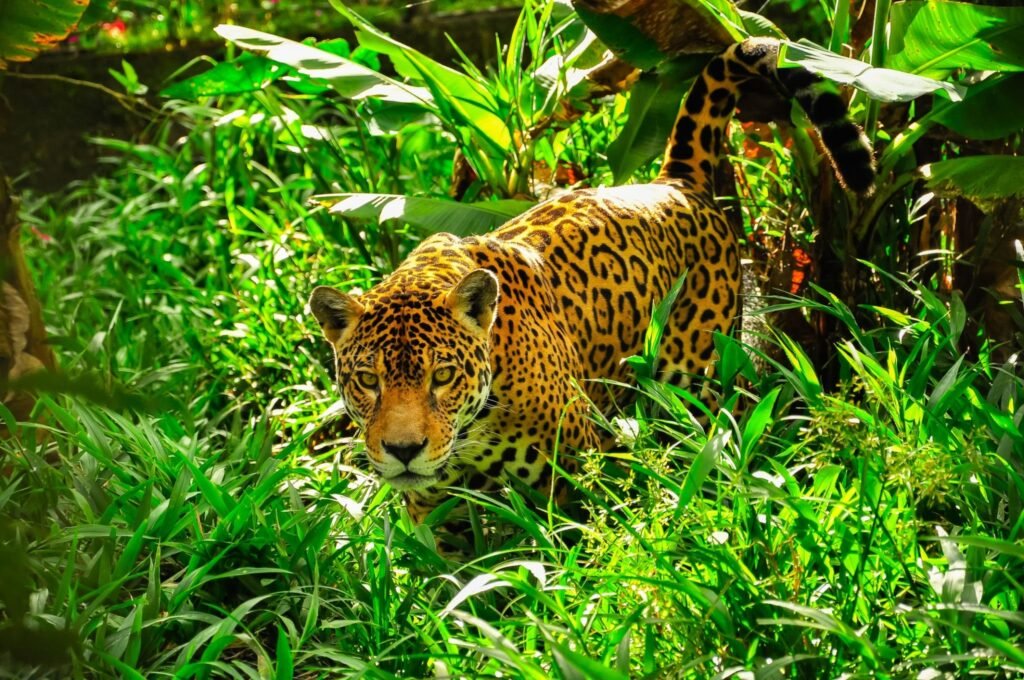
A jaguar in its lush forest habitat. Source: joreasonable / Getty Images
The Pink River Dolphin: A Magical Water Wonder
Did you know that some dolphins live in freshwater rivers instead of the salty ocean? The pink river dolphin is one of the strangest animals from the amazon rain forest. They are born gray, but they slowly turn pink as they grow older. Scientists think this unique color comes from scar tissue when they play-fight with each other. They look like magical creatures straight out of a fairy tale book.
These friendly dolphins have flexible necks that let them turn their heads left and right. This helps them swim through flooded tree roots without getting stuck. They use special clicking sounds to find fish in the muddy river water. Local legends say these dolphins can turn into humans at night to walk on land, which makes them very respected.
The Slow-Moving Sloth: Masters of Hanging Out
If you love taking naps, the three-toed sloth might be your absolute favorite jungle neighbor. These quiet animals from the amazon rain forest spend almost their entire lives hanging upside down. They hang from tree branches using their long, curved claws. Sloths move so incredibly slow that green algae actually grows on their fur. This green coating acts like natural camouflage to hide them from hungry eagles.
A sloth has a very slow digestive system that takes days to process a single leaf. Because they move so slowly, they save a lot of energy. They only climb down to the ground once a week to use the bathroom. On the ground, they are clumsy, but they are surprisingly good swimmers when they drop into the river.
The Loud Macaw: Bright Colors of the Treetops
High up in the canopy, you will hear the loud, screeching calls of the scarlet macaw. These large parrots are some of the most colorful animals from the amazon rain forest. Their feathers are a brilliant mix of red, yellow, and blue. They fly together in large, noisy flocks that look like rainbows moving across the sky.
Macaws have very strong, curved beaks that can easily crack open hard nuts and seeds. They also eat clay from riverbanks, which helps clean their tummies of plant toxins. These smart birds are very social and tend to keep the same partner for their whole lives. They love to chat and play with each other high up in the safety of the trees.
The Green Anaconda: The Giant Snake of the Swamps
Deep in the murky swamps and slow rivers lives the giant green anaconda. This is one of the heaviest snakes in the entire world. It can grow as long as a school bus and weigh more than two adult humans! Although they are huge, these animals from the amazon rain forest are very hard to spot because their dark green skin blends with the water.
Anacondas are not venomous, which means they do not have a toxic bite. Instead, they wrap their powerful bodies around their prey to squeeze it tightly. Their eyes and nostrils are on top of their heads. This lets them hide almost completely underwater while waiting for a tasty meal to walk by.
The Poison Dart Frog: Tiny and Deadly
Do not let their small size fool you! The poison dart frog is one of the most dangerous animals from the amazon rain forest. These tiny frogs are often no bigger than your thumb. They come in bright shades of yellow, blue, and red. These bright colors are a warning to predators that says, “Do not eat me, I am highly toxic!”
Indigenous hunters have used the weak poison from these frogs on the tips of their blowdarts for centuries. The frogs do not make the poison themselves. They get it from eating toxic insects like ants and beetles. If they live in a zoo and eat normal food, they actually lose their poison completely!
The Giant Otter: The Loud River Wolves
The rivers of the jungle are home to the giant otter, which can grow up to six feet long. These playful animals from the amazon rain forest are nicknamed “river wolves” because they hunt in family groups. They are highly social and make loud noises to talk to each other. They work together to catch fish, crabs, and even small caimans!
Giant otters have webbed feet and water-repellent fur that makes them incredibly fast swimmers. They build cozy dens along the muddy riverbanks to raise their babies. Because they are top predators, they need clean water and plenty of fish to survive. Seeing them play and slide in the mud is a true joy for travelers.
The Capybara: The World’s Biggest Friendly Rodent
Meet the capybara, the absolute largest rodent on the planet! They look like giant guinea pigs and are some of the most peaceful animals from the amazon rain forest. Capybaras are semi-aquatic, meaning they spend half of their time chilling in the water. They have webbed toes that help them swim away from predators like jaguars and anacondas.
These gentle giants eat grass and water plants all day long. They are very friendly and often let other small animals, like birds, sit on their backs. Capybaras live in large groups to keep each other safe. They communicate using funny clicks, whistles, and barks that echo through the grassy riverbanks.
The Toucan: The Bird with the Giant Banana Beak
The toucan is instantly recognizable by its giant, colorful beak that looks like a big banana. Even though the beak looks heavy, it is actually very light because it is hollow inside. These energetic animals from the amazon rain forest use their long beaks to reach tasty fruits on branches that are too weak to hold their weight.
Toucans live in small flocks and love to play-fight by tossing fruit into each other’s mouths. They sleep inside cozy holes in tree trunks. When they sleep, they tuck their large bills under their wings to save space. Their cheerful calls are a classic sound of the tropical forest morning.
The Black Caiman: The Ancient Reptile of the Lakes
Hiding in the quiet lakes is the black caiman, a large cousin of the alligator. These dark-colored reptiles are some of the biggest animals from the amazon rain forest. Their dark skin helps them absorb heat from the sun during the day. At night, it keeps them perfectly hidden in the dark, still water.
Black caimans are top predators that eat fish, birds, and land animals that come to drink. They are very important for the lake ecosystem because they keep other animal populations from getting too high. Female caimans are very protective mothers who guard their nests of eggs from hungry lizards and birds.
Amazon Rainforest Wild Animal Biography Table
| Animal | Scientific Name | Main Food Source | Cool Jungle Superpower |
| Jaguar | Panthera onca | Deer, turtles, fish | Super strong bite and great swimmer |
| Pink River Dolphin | Inia geoffrensis | Fish, crabs | Flexible neck to swim through trees |
| Three-Toed Sloth | Bradypus | Leaves, twigs | Grows green camouflage algae on its fur |
| Scarlet Macaw | Ara macao | Seeds, nuts, clay | Strong beak that cracks hard shells |
| Green Anaconda | Eunectes murinus | Wild pigs, birds | Can hold breath underwater for a long time |
| Poison Dart Frog | Dendrobatidae | Ants, termites | Bright skin colors that warn enemies away |
| Giant Otter | Pteronura brasiliensis | Fish, crabs | Hunts in smart family packs like wolves |
| Capybara | Hydrochoerus hydrochaeris | Grass, water plants | Webbed feet for fast swimming |
| Toco Toucan | Ramphastos toco | Fruits, insects | Huge, lightweight beak to reach food |
| Black Caiman | Melanosuchus niger | Fish, mammals | Dark skin that hides them perfectly at night |
Protecting the Forest and Its Amazing Creatures
The lush home of these wonderful animals from the amazon rain forest is facing some big challenges. Trees are being cut down for farming, and the climate is changing. When the forest is damaged, these unique creatures lose their homes and their food. Protecting the jungle is important for the whole world because these trees make fresh oxygen for us to breathe.
Fortunately, many kind people and local communities are working hard to save this green paradise. By supporting eco-friendly travel and learning about wildlife, we can help protect their home. Every small action helps keep the forest alive and humming with life. Let us do our part to ensure these beautiful animals are safe for a long time!
Conclusion
The Amazon rain forest is much more than just a collection of trees and exotic creatures. It is a living, breathing heart for our entire planet. Every single one of the animals from the amazon rain forest—from the mighty jaguar swimming in the rivers to the tiny frog hiding under a leaf—plays a crucial role in keeping this fragile ecosystem healthy. When we protect their wild home, we are also protecting the air we breathe, the global climate, and the natural beauty of our world.
Frequently Asked Questions
What is the most dangerous animal in the Amazon?
The green anaconda and the black caiman are very powerful, but the tiny poison dart frog is often considered the most toxic. A single golden poison frog has enough venom to harm several large animals.
Why do pink river dolphins turn pink?
They are born gray and slowly turn pink as they grow older. Scientists believe the pink color comes from skin healing after play-fighting, and it becomes brighter when they are excited!
Do jaguars actually like to swim in the water?
Yes! Unlike most house cats, jaguars are excellent swimmers. They love to cool off in the jungle rivers and will easily hunt for fish, turtles, and caimans in the water.
How long do sloths sleep every day?
Wild sloths sleep for about 9 to 10 hours a day. They spend the rest of their time slowly eating leaves and climbing very carefully through the branches.
What do scarlet macaws eat in the wild?
They mostly eat seeds, nuts, and wild fruits. Sometimes they visit clay licks on riverbanks to eat clay, which helps settle their stomachs and blocks plant poisons.
How can we help protect these jungle animals?
We can help by recycling, choosing products that do not cause deforestation, and supporting wildlife conservation groups. Spreading the word and sharing cool facts with your friends also makes a big difference!




Post Comment