Ultimate Guide to Men’s Fashion of the 40s: Trends & Outfits
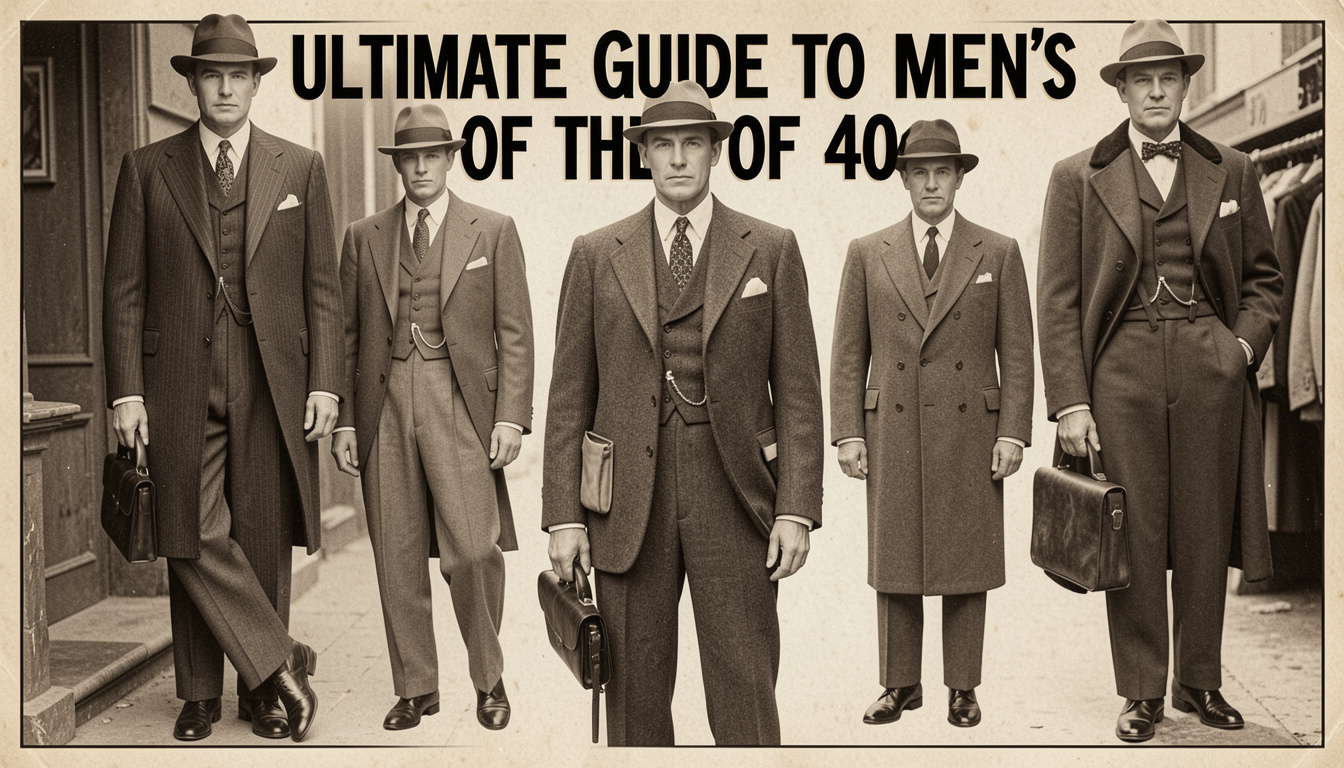
Have you ever looked at old photos of your grandfather and wondered why everyone looked so sharp? The 1940s was a decade of massive change. World War II changed everything, including the clothes men wore every single day. Before the war, men wore heavy, fancy suits. But when the war started, fabric became very scarce. The government had to ration materials like wool, nylon, and leather to make uniforms for soldiers.
This shortage forced clothing designers to become creative. Men could no longer buy suits with extra pockets, vests, or pant cuffs. Yet, despite these strict rules, men still managed to look incredibly classic and stylish. In this complete guide, we will take a fun trip back in time. We will explore the unique styles, fabrics, and trends that defined men’s fashion of the 40s. Whether you are a history fan or just want to upgrade your vintage look, you will find plenty of inspiration here.
How World War II Shaped the Way Men Dressed
World War II had a massive impact on daily life, and clothing was no exception. In the early part of the decade, the government passed laws to save fabric for the military. These laws meant that civilian clothing had to be simplified. Tailors could no longer make double-breasted suits easily because they used too much cloth.
As a result, the single-breasted suit became the standard look for working men. Pocket flaps vanished, and trousers became much narrower. Men even had to give up their beloved waistcoats (vests) to save wool. This shift completely redefined men’s fashion of the 40s. It made clothing look much more functional, sharp, and streamlined. People learned to take care of what they had, which made every outfit count.
The Classic 1940s Suit: Simple and Sharp
When the war fabric restrictions took effect, the “Victory Suit” was born. This suit was designed to look professional while using the least amount of fabric possible. The jacket was shorter, and the trousers did not have pleats or cuffs at the bottom. Most of these suits were made in dark, practical colors like navy blue, charcoal gray, and deep brown.
Even with these limits, men wore their suits with immense pride. They used accessories like bright ties to add life to their plain outfits. After the war ended in 1945, these strict rules disappeared. However, the clean and simple look stayed popular for a long time. It showed that men did not need lots of extra fabric to look like true gentlemen.
The Rise of Men’s Fashion of the Late 40s
When the soldiers came home from the war, everything changed. Fabric was no longer restricted, and people wanted to celebrate their freedom. This era brought a massive explosion of new styles known as men’s fashion of the late 40s. Men were tired of plain, boring colors and tight, simple clothes.
Suddenly, suits became much bigger, wider, and more comfortable. Shoulder pads became very thick to give men a strong, athletic look. Double-breasted jackets made a huge comeback, featuring wide lapels that stretched across the chest. Trousers became baggy again and featured deep pleats. This post-war style was all about luxury, success, and looking toward a bright, peaceful future.
The Famous Zoot Suit: Bold and Rebel Style
Not every man wanted to wear a simple, quiet suit. During the early 1940s, a wild and rebellious trend called the “Zoot Suit” became popular among young men, especially in minority communities. A zoot suit was the exact opposite of wartime rules. It featured a super long jacket with massive shoulder pads and extremely baggy pants that tapered at the ankles.
Wearing a zoot suit was a big statement. Since it used so much fabric during a time of shortage, many people saw it as unpatriotic. This tension even caused historic protests in cities like Los Angeles. Despite the drama, the zoot suit remains one of the most memorable parts of men’s fashion of the 40s. It proved that young people would always use clothing to express their identity.
Casual Wear: The Birth of the Aloha and Sport Shirt
Before the 1940s, men rarely went out in public without a formal coat and tie. But the 40s changed that by introducing comfortable, casual wear. This change was led by the invention of the sport shirt. These shirts had open collars, short sleeves, and relaxed fits, making them perfect for hot summer days.
A major trend during this time was the Hawaiian “Aloha” shirt. These shirts featured bright, colorful prints of palm trees, waves, and tropical flowers. Men wore them outside of their pants at backyard barbecues and beach parties. This was a massive shift in style. It paved the way for the relaxed, casual outfits we enjoy today.
Trousers and Pants: High-Waisted and Wide
If you tried on a pair of pants from the 1940s today, you would notice they feel very different. Trousers in men’s fashion of the 40s were worn much higher up on the body, usually sitting right above the belly button. They also featured a very long zipper rise and a wide, straight leg from the hip all the way down to the shoes.
During the war, these pants were flat and plain to save cloth. But in the late 40s, tailors added deep pleats near the waist and thick cuffs at the bottom. To keep these heavy trousers up, men wore thick leather belts with simple metal buckles. Suspenders (also called braces) were also very popular and clipped directly onto the waistband.
Classic Footwear: Oxfords, Brogues, and Loafers
A man’s outfit was never truly complete without the perfect pair of shoes. Leather was heavily rationed during the war, so shoes had to be built to last for many years. The most popular style was the classic Oxford shoe. These were shiny, lace-up leather shoes that men wore to work, church, and formal events.
For a slightly more stylish look, men wore Brogues, which featured beautiful decorative patterns punched into the leather. Another major hit was the two-tone spectator shoe, which mixed dark brown and white leather. For casual weekends, men slipped into comfortable leather loafers. They took great care of their shoes, polishing them regularly to keep them looking brand new.
Iconic Accessories: Fedoras, Ties, and Pocket Squares
Accessories were the secret weapon for men in the 1940s. Since suits were often plain, accessories allowed men to show off their personal style. The most important accessory was the hat. A gentleman rarely left his house without a felt Fedora or a sharp Trilby hat tilted slightly to the side.
Ties were another way to add color to a dull outfit. In men’s fashion of the 40s, ties were much shorter and wider than they are today. They featured bright, bold geometric patterns, wild squiggles, and even painted landscapes. Men fastened their ties with shiny metal clips and added a silk pocket square to their jacket pocket for a final touch of class.
Famous Style Icons of the 1940s
To truly understand the style of this era, you only need to look at Hollywood movies from that time. Actors were the ultimate trendsetters for everyday men. Film stars like Humphrey Bogart and Cary Grant made the long trench coat, fedora, and wide-lapel suit look incredibly cool and mysterious.
Forbes Style & Bio Connection
Many of the world’s most successful business leaders and public figures during this era were featured in early Forbes lists for their sharp, authoritative looks. Let’s look at how top icons styled themselves.
| Style Icon | Signature Look | Key Contribution to Fashion |
| Humphrey Bogart | Trench Coat & Fedora | Made casual, mysterious outerwear popular worldwide. |
| Cary Grant | Perfectly Tailored Suits | Set the standard for clean, elegant, and sharp formal wear. |
| Fred Astaire | Sports Jackets & Loafers | Showed men how to mix casual items with formal luxury. |
| Clark Gable | Wide Lapels & Mustaches | Popularized the strong, athletic, post-war alpha silhouette. |
Comparing Men’s Fashions of the 1950s and 40s
It is highly fascinating to see how style evolved as the decade changed. When you look closely at men’s fashions of the 1950s and 40s, you can see a clear shift in how society viewed work and play. The 1940s was defined by wartime survival and sudden post-war freedom, resulting in large, bold, and dramatic shapes.
In contrast, the 1950s brought the rise of corporate offices and suburban life. Suits became narrower, more uniform, and much darker. This was the era of the slim “Mad Men” style grey flannel suit. While the 40s was about breaking free and enjoying excess fabric, the 50s focused more on fitting into the new corporate world.
Conclusion
Ultimately, men’s fashion of the 40s was all about resilience, creativity, and adaptation. Men found ways to look stunningly elegant during a global crisis, and then celebrated peace with bold, beautiful designs. The clean lines, high-waisted trousers, and classic hats from this era continue to inspire modern designers today.
Are you ready to bring some 1940s charm into your own wardrobe? Try adding a classic fedora, a wide vintage tie, or a pair of high-waisted trousers to your next outfit. Vintage fashion is a wonderful way to stand out from the crowd with history and class.
Frequently Asked Questions
Why did men stop wearing vests with suits in the 1940s?
During World War II, the government rationed fabric to help the military. Tailors had to stop making vests because they used too much wool that was needed for soldier uniforms.
What is a Zoot Suit and why was it controversial?
A Zoot Suit was an oversized suit with a long jacket and very baggy pants. It was controversial because it used a massive amount of fabric during a time of severe wartime shortages.
What kind of hats did men wear in the 40s?
The most popular hat was the felt Fedora. Men also wore Trilby hats and flat caps for casual outdoor activities.
How did post-war fashion differ from wartime fashion?
Wartime fashion was tight, simple, and plain due to fabric limits. Post-war fashion featured huge shoulder pads, wide lapels, and baggy, pleated pants because fabric was free again.
What were 1940s ties like?
Ties were short, very wide, and featured bright colors. They often had large geometric patterns, art deco designs, or pictures painted on them.
Did men wear jeans in the 1940s?
Jeans were strictly used as work clothes for farmers, factory workers, and miners. Men did not wear them as casual everyday fashion like we do today.

Post Comment